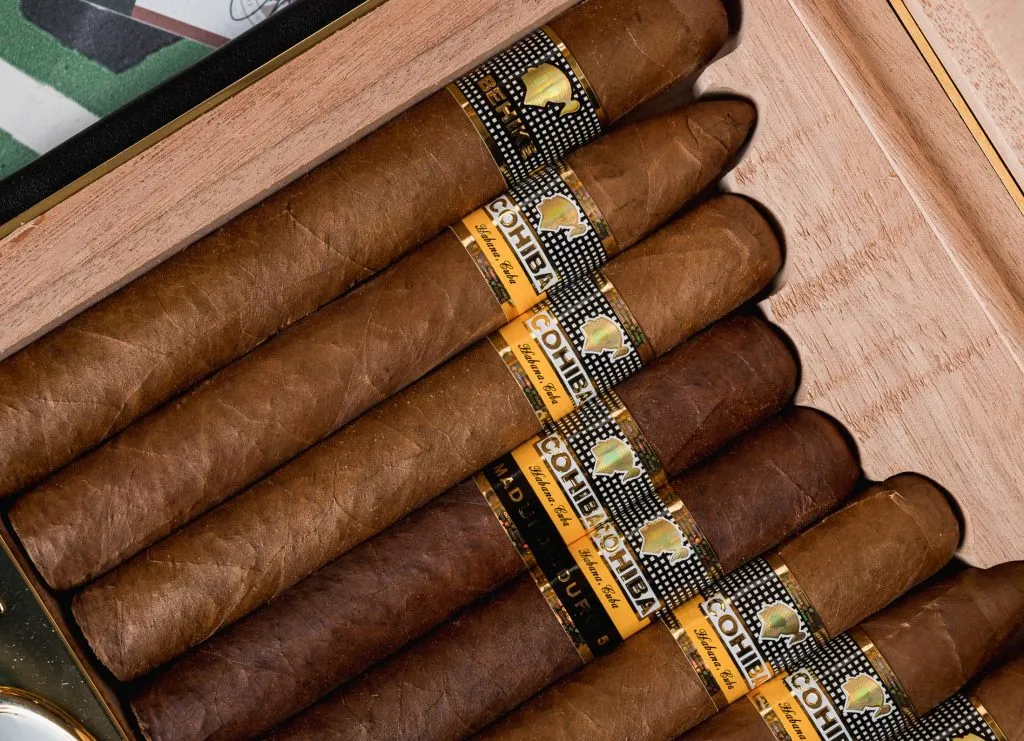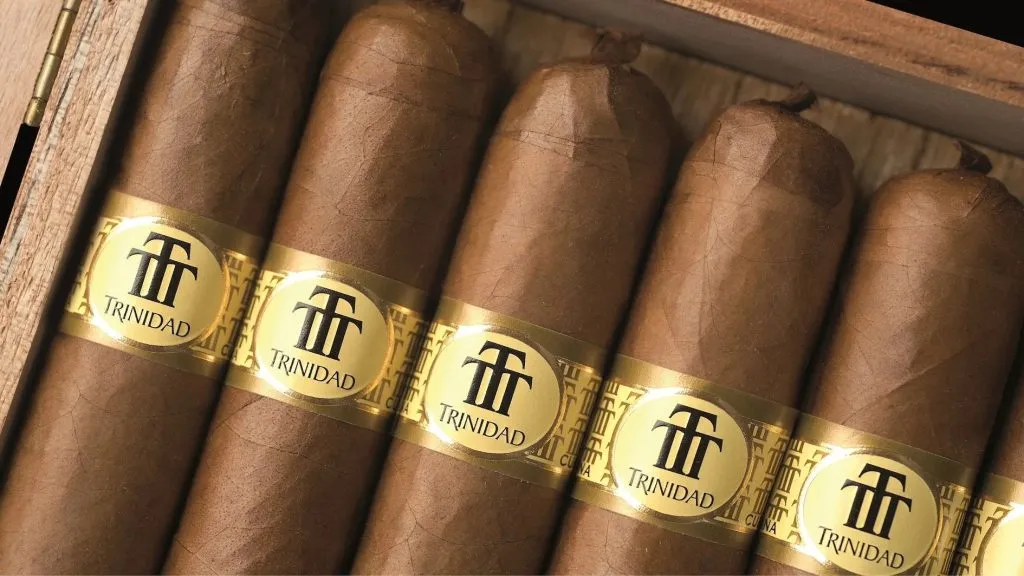
Cut a torpedo the way you cut a Robusto and you will pay for it. The tapered head that makes a torpedo look sharp on the shelf is also what makes it easy to ruin with a single wrong move: cut too little and you are pulling smoke through a pinhole, cut too much and the wrapper starts to unravel before you have taken a single draw. There is no rounded shoulder to guide the blade like there is on a Corona or a Toro, so the usual rule of thumb does not apply. Here is exactly how much to remove, which cutter actually works, and what to do if you are caught without one.
Why a Torpedo Cuts Differently
A Torpedo cigar belongs to the figurado family, cigars with a shaped, tapered head instead of the flat cap you find on a parejo like a Corona or Robusto. That taper is not decorative. Cigar rollers pack the head of a figurado more tightly than the body, which concentrates smoke and intensifies flavor right at the point where it meets your lips. Cut too shallow into that taper and you barely open a channel through the tightly rolled tip. Cut too deep and you pass the point where the cigar widens, exposing loose filler and risking a cracked or unraveling wrapper.
This is also why the classic “cut 1/16 of an inch” rule that works for a rounded cap does not transfer cleanly to a torpedo. There is no single shoulder line on a tapered head, so the right depth depends on the specific cigar’s taper and ring gauge, not a fixed measurement. It is worth practicing on something forgiving before you cut into a special-occasion cigar; a wide-gauge torpedo like the Oliva Serie V Melanio Torpedo has a gentler taper than most, which makes it a good cigar to build confidence on.
How Much to Cut Off a Torpedo
Look at where the taper stops accelerating and the cigar begins to level out toward its full ring gauge. That transition point, roughly the last quarter-inch before the cigar reaches full width, is your target zone. Cutting anywhere in that band exposes enough of the tightly packed filler to draw properly without going so deep that you pass into the body of the cigar.
If you are unsure, the safer error is to cut too little. A too-shallow cut is fixable: take a test draw, and if the pull feels tight, go back and take off a bit more. A too-deep cut cannot be undone. Start conservative, then open it up.
Cutting a Torpedo with a Straight Cutter
A double-guillotine straight cutter is the most common tool in any cigar smoker’s pocket, and it works fine on a torpedo as long as you respect the taper. Position the blades at your target zone, close them in one clean, decisive motion, and take a test draw before you commit to more. A slow, hesitant cut is what drags tobacco and tears the cap rather than slicing it, so speed and a sharp blade matter more here than on a rounded cap. If you need a reliable one, the Montecristo La Nuit Cigar Cutter handles a torpedo’s ring gauge without issue.
Cutting a Torpedo with a V-Cutter
A V-cutter, sometimes called a cat’s-eye or wedge cutter, is built for exactly this shape. Instead of slicing straight across, it carves a wedge-shaped notch into the point of the taper, which follows the cigar’s natural geometry rather than fighting it. The wedge exposes a wide surface area of filler while leaving the outer wrapper and structure of the cap largely intact, which is why many smokers consider it the cleanest cut for a figurado. Look for a V-cutter with an inverted blade; it seats against the cap without the sharp pressure point that can crack a fragile tip before the blade even engages.
Why You Should Never Use a Punch Cutter
A punch cutter drills a small, round channel straight into the head of a cigar, and it works well on a flat-capped parejo. On a torpedo, it does not work at all. The cylindrical punch has nothing to anchor against on a curved, tapering surface, so instead of a clean circular hole you get a mangled, off-center tear that can compromise the whole cap. If a punch is the only cutter you have on hand, use the biting method below instead.
What to Do Without a Cutter
If you find yourself with a torpedo and nothing to cut it with, the least damaging option is a careful pinch-and-bite. Locate the same target zone described above, pinch the cigar gently just behind that point to stabilize it, and use your front teeth to nip off the very tip in one motion rather than gnawing at it. It will not look as clean as a proper cutter, but it will get you smoking without tearing the wrapper down the side, which is the real risk of an improvised cut done carelessly.
Cutter Comparison for Torpedo Cigars
| Cutter | Works on a Torpedo? | Why |
|---|---|---|
| Straight (guillotine) | Yes | Simple and reliable if you cut at the taper’s transition point in one clean motion |
| V-cutter | Best option | Follows the natural taper and maximizes draw without compromising the cap’s structure |
| Punch | No | The round blade has no flat surface to anchor against, tearing the cap instead of cutting it |
| No cutter (pinch and bite) | Emergency use only | Works in a pinch but risks an uneven tear if done carelessly |
Frequently Asked Questions
How much do you cut off a torpedo cigar?
Aim for the transition point where the taper stops narrowing and the cigar begins to level out to its full ring gauge, typically within about a quarter-inch of that widening point. Cutting shallower than that risks a tight draw, and cutting past it risks unraveling the wrapper.
Can you punch cut a torpedo cigar?
No. A punch cutter is designed for the flat cap of a parejo. On a tapered head it has no stable surface to bite into and will tear the wrapper instead of cutting it cleanly.
Is a torpedo cut differently from a double torpedo?
The principle is identical, target the point where the taper transitions to full ring gauge, but a double torpedo has a longer, more gradual taper, so take a little more care to identify that transition point before cutting.
What is the difference between a torpedo and a perfecto cut?
Both are figurados with tapered heads, so the same taper-based approach applies. A Perfecto cigar often tapers at both ends, so double-check which end is meant for lighting before you cut, since cutting the foot by mistake will waste tobacco.