
Showing: 11 products






Frequently Asked Questions about Torpedo Cigars
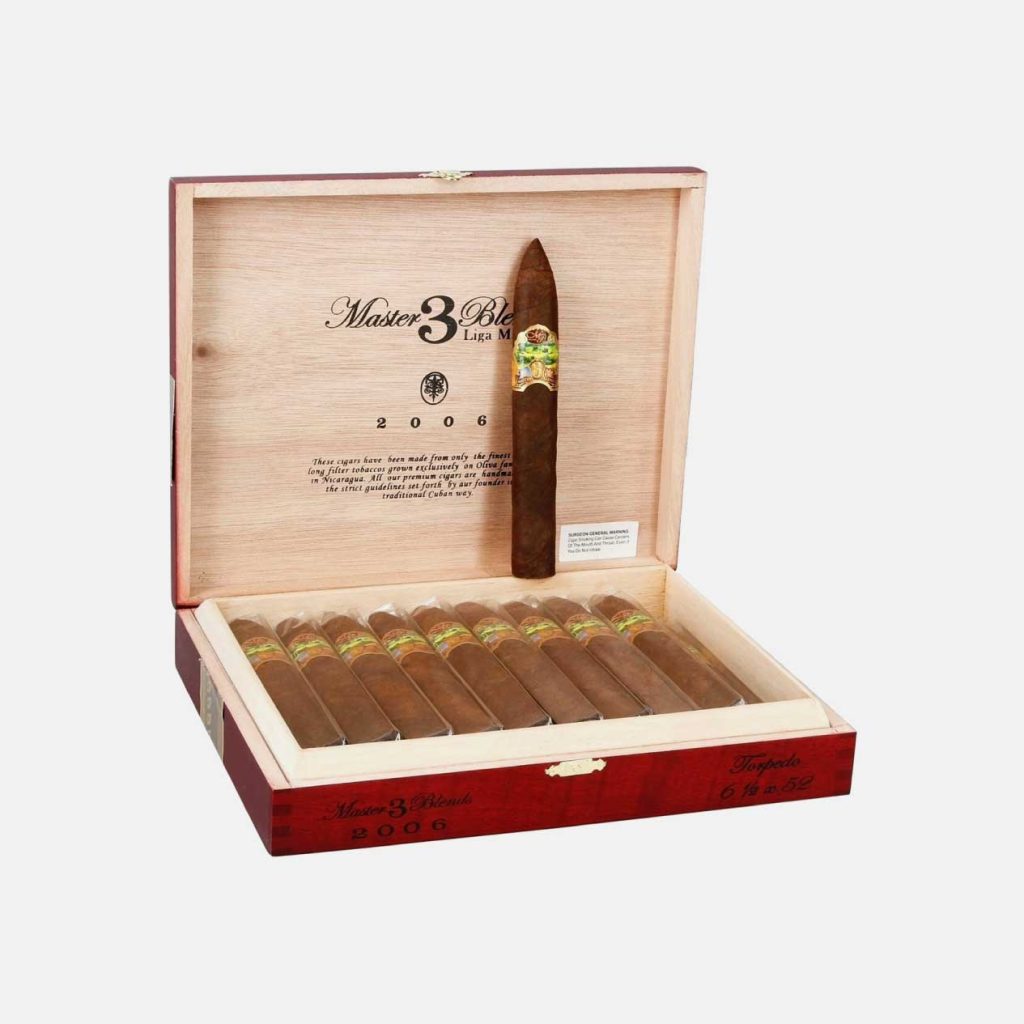
A torpedo is a figurado cigar: unlike a straight-sided parejo, its body tapers along the final section to a closed, pointed head. The foot stays open like any other cigar, and the cap is usually cut off before smoking. The tapered head is what gives the torpedo its distinctive silhouette.
The taper narrows the smoke channel towards the head, which can give a more focused draw and a slightly more concentrated delivery of flavor on the palate. The effect is subtle and depends on the cut and on how well the cigar is constructed. The blend and the wrapper still have far more influence on flavor than the shape does.
Take off only the very tip. A small straight cut just below the point opens the head without losing the taper, while a V-cut or a punch cut also works and concentrates the draw. Use a sharp cutter and a single, controlled cut, because a dull blade can tear the wrapper or crack the cap.
Torpedoes are usually between 5 and 7 inches long, with ring gauges from 50 to 56 or more. The belicoso is a close relative: shorter and with a gentler taper, while a true torpedo ends in a sharper point. If you prefer straight-sided cigars, the robusto and the gordo are the parejo formats with comparable ring gauges.
Yes, although cutting and drawing a torpedo takes a little more care than with a parejo. Beginners may find it easier to start with a mild cigar in a straight-sided format and move on to torpedoes as they get used to cutting and to the pace of a longer smoke.
No. Toast the foot while rotating the cigar, then light it evenly and take slow, measured puffs. Keeping the burn even matters a little more with torpedoes, because the thicker body and the tapered head can show an uneven burn sooner. If the burn runs to one side, touch it up with the flame.
Store them like any premium cigar: in a humidor at about 65–70% relative humidity and 65–70°F (18–21°C). Lay them flat and avoid stacking weight on the heads, since the tapered tip is the most delicate part and can be damaged or crushed.